Pasadena highlight
Rose Bowl Stadium
An 89,702-seat stadium completed in 1922 and designated a National Historic Landmark, home to the annual Rose Bowl Game and UCLA football.
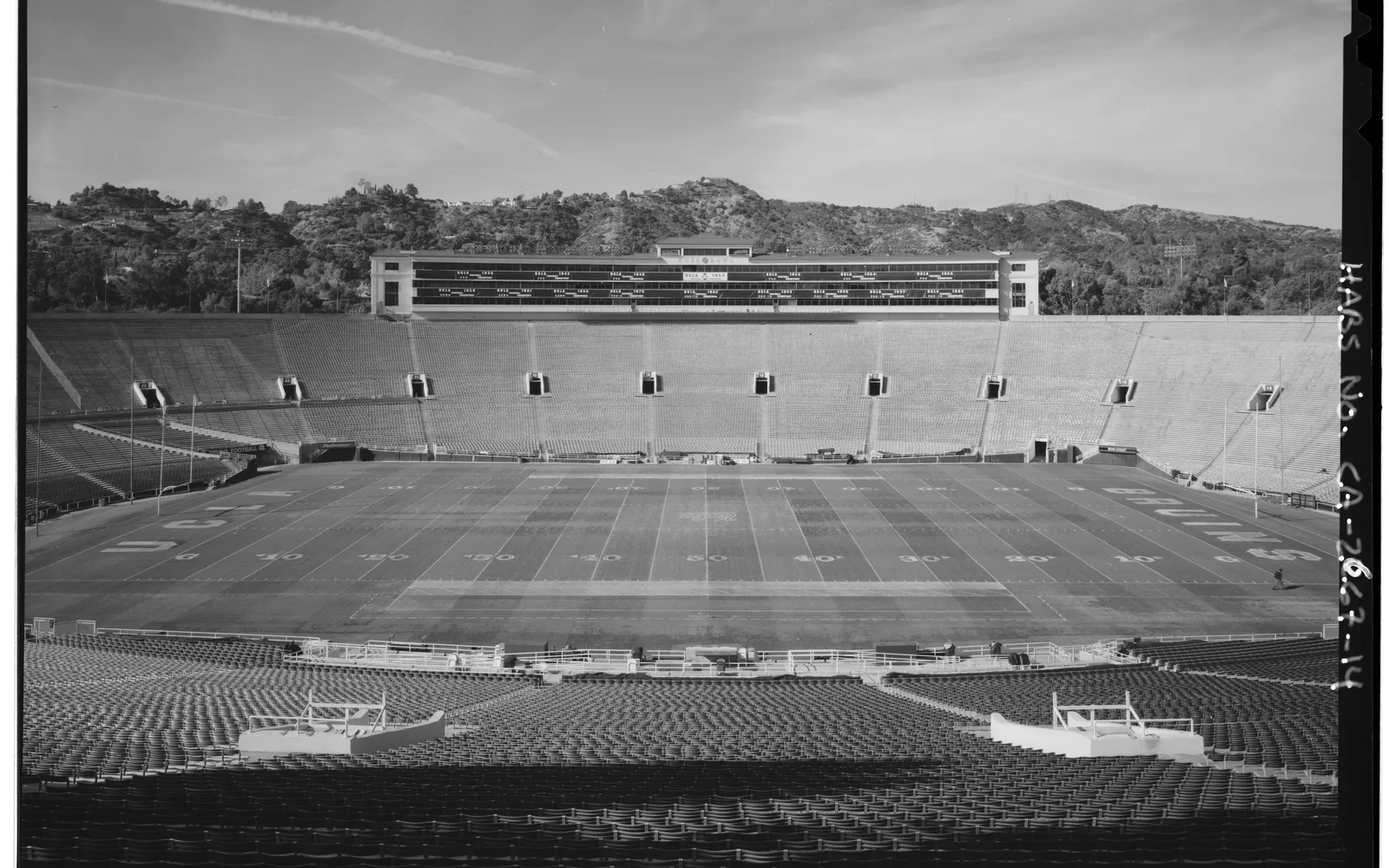
The Rose Bowl was built between February and October 1922 on Pasadena's northern edge, designed by architect Myron Hunt and opening with its first official dedication game on January 1, 1923. The stadium's name comes from the Tournament of Roses Parade, Pasadena's annual tradition that has run continuously since 1890. With a current capacity of 89,702 spectators, it ranks as the 20th-largest stadium worldwide.
Beyond its annual hosting of the Rose Bowl Game, the stadium has hosted five Super Bowls and was selected as the venue for the 1994 FIFA World Cup Final and 1999 FIFA Women's World Cup Final—two defining moments in women's soccer. Since 1982, it has been home to UCLA Bruins football. In 2007, Sports Illustrated named it the number-one venue in college sports.
For families in Pasadena, the Rose Bowl is often where memory and tradition meet: a first game with a child, generations watching the same team, the annual New Year's Day rhythm that shapes a family calendar. Protecting those traditions means planning for the income that keeps families together through every season of life. A term policy sized to cover the years when a family needs it most is the practical foundation for those longer plans.